Wood Framing Mold Removal (Joists, Studs, Rafters) in Museum District, TX
Mold removed from affected wood framing in your Museum District property, with sound lumber cleaned and dried. Call 24/7 to start your assessment and define the cleanup scope.
- Joists, studs and rafters
- Containment and HEPA filtration
- Moisture readings before repairs
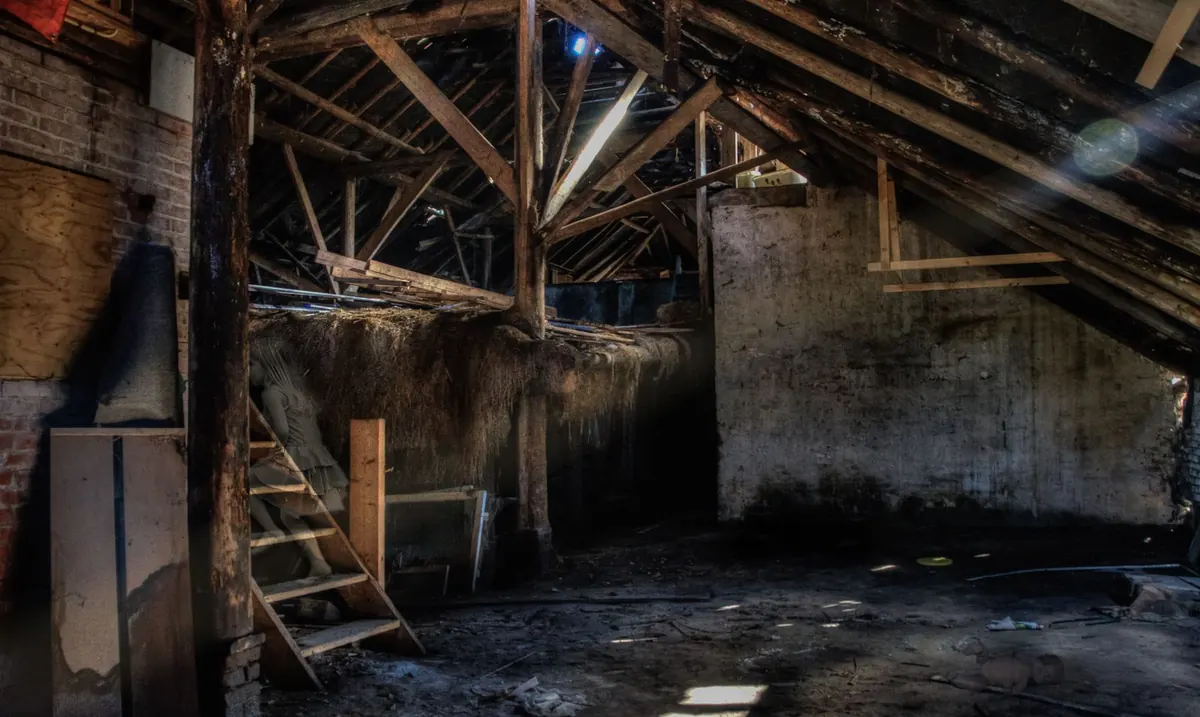
Mold Removal Services in Museum District for Your Wood Framing
Your cleanup covers mold on joists, studs, rafters, beams and accessible trusses. Sound framing is cleaned and dried; deteriorated members receive a separate structural repair assessment.
Wood is porous, so cleaning accounts for its condition and accessible faces. Floor bays and roof framing are assessed for hidden moisture. Moldy drywall and insulation may need removal to expose affected wood surfaces.
Containment and cleaning, followed by structural drying and completion checks, are defined in your written work scope. Material replacements, leak fixes and ventilation corrections require explicit inclusion. Structural repair work has a separate definition.
- Floor joists and rim joist cleaning
- Wall studs and exposed beam cleanup
- Rafters and roof framing assessment
- Contained access and damaged insulation removal
- Wood moisture readings before closure

Signs You Need Mold Removal for Wood
Arrange an assessment if your framing has growth, damp areas or nearby odors.
Growth Returns on Exposed Wood
An unresolved water source allows spots to recur following cleanup.
Mold on Floor Joists
Near plumbing leaks or moist crawl space surfaces, spots become visible beneath your floor.
Musty Smell Beneath Wood Floors
Flooring can cup, or odors may develop, where moisture is hidden.
Mold on Rafters
Roof framing stays damp from condensation, leaks or exhaust routed poorly.
Mold on Studs Behind Drywall
Near framing, growth or peeling paint and water stains become visible in opened walls.
The Steps in Wood Mold Removal
After assessment, your cleanup proceeds within containment, followed by drying and checks.
Assess the Wood Framing
Name the affected rooms when calling. A thermal imaging camera helps find temperature differences but cannot detect mold; a moisture meter charts wood moisture content.
Establish the Moisture Source and Work Scope
Leaks, condensation and ventilation problems are traced. Your plan defines access openings and moisture fixes; wood rot or questionable structural members receive a separate assessment.
Contain the Wood Work Area
Poly sheeting forms a containment barrier around affected bays. Negative air pressure and a HEPA air scrubber limit the spread of mold spores during removal and cleaning.
Remove Damaged Surrounding Materials
Removing damaged drywall and insulation exposes your framing. Debris stays inside containment for bagging, while removal of load-bearing wood follows planned structural repairs.
Clean Sound Wood Surfaces
Sound wood is cleared of growth and residue through damp cleaning and use of a HEPA vacuum. When appropriate, cleaning is supplemented with antimicrobial treatment.
Dry the Framing
Controlled air movers work with a dehumidifier to help cleaned wood dry. Moisture readings monitor progress ahead of reinstalling insulation or wall finishes.
Verify the Completed Cleanup
Post-remediation verification compares drying and cleaning results with your scope. Specified clearance testing is done by an independent assessor; remaining stains alone cannot establish completion.
Remove Containment After Final Checks
After verification, containment is dismantled. Repair after remediation follows your scope for insulation, drywall and other finishes.
Wood Framing Mold Removal: Why Choose Houston Mold Removal Services
Wood Cleaning Through Final Checks
Containment remains until sound members have been cleaned, dried and checked.
Wood Moisture First
Before cleanup and closure, your assessment tracks down the water source.
Your Defined Scope and Contained Wood Cleaning
Your scope is explained before work, with containment and HEPA filtration matched to affected bays.
Calls Answered 24/7
One number starts your framing cleanup across the metro, day or night.
Before Wood Cleanup in Harris County
Minimize disturbance while your assessment is being arranged.
- Stop water if safe. Avoid wet electrical equipment.
- Leave growth alone. Leave sanding, blasting or brushing it to someone other than yourself.
- Keep the work area clear. Prevent people and pets from approaching the affected wood framing.
- Avoid affected HVAC use. Leave any possibly contaminated system off, as EPA advises.
- Act on fresh water damage. To prevent mold growth, EPA advises drying damaged areas and items within 24 to 48 hours after water damage.
Wood Framing Mold Removal Cost in Museum District
Access, affected area and the wood's condition shape your price. The published ranges are national figures for general remediation rather than framing specifically. Assessment defines your cleanup, with repairs set out separately.
Typical national range, average $3,500
$1,500 to $9,000 per jobSource: Fixr, Mold Remediation Cost (checked 2026-10-23)Typical range, average $2,300
$1,200 to $3,750 per jobSource: This Old House, Mold Remediation Cost (cost data credited to Angi) (checked 2026-10-23)Areas larger than about 10 square feet: professional rate
Per square foot: $10 to $30Source: Fixr, Mold Remediation Cost (checked 2026-10-23)Factors That Change Your Framing Cleanup Price
- Affected wood square footage
- Containment equipment
- Drywall removal and disposal
- Access around pipes and wiring
- Structural drying and repairs
The Price of Your Wood Cleanup
These published national ranges are planning figures. Your on-site assessment defines the work and price before cleanup starts, including any separate source repairs or rebuilding.
Call (844) 352-3560 about costWood Framing Mold Removal (Joists, Studs, Rafters) Service Area Across Greater Houston
Call (844) 352-3560 to arrange cleanup in Museum District or nearby communities. One number covers the metro.
ZIP codes
What People Ask About Wood Framing Mold Removal (Joists, Studs, Rafters) in Museum District
Is staying home possible during wood framing cleanup?
Keeping occupied rooms apart from debris routes and work areas may allow you to stay. That choice depends on shared ventilation, opened wall cavities and access to essential rooms. Your assessment determines restrictions prior to starting work. For some projects, you need temporary arrangements elsewhere throughout containment, removal and cleaning.
Does wood need testing ahead of cleanup or afterward?
Under EPA guidance, visible mold frequently makes air sampling unnecessary. The opening assessment records growth locations, moisture and required access. Before removing containment, cleaning and drying are verified, and independent clearance testing takes place if specified. Federal limits do not exist for mold levels inside buildings; air testing also cannot establish structural strength.
How much does framing mold cleanup cost in Harris County?
Your price depends on evaluation of the affected area along with wood condition and openings for access. General national remediation ranges, their units and sources appear in the cost cards above. Your total can vary with damaged insulation, tight floor bays and structural repairs. Before work starts, your scope separates rebuilding from cleaning and drying.
Are leaks or moisture problems repaired as part of cleanup?
Cleanup planning includes tracing the moisture source and defining necessary corrections. Roof work and changes to ventilation, along with plumbing repairs, are included only if your scope lists them. Before work starts, separate repairs are identified to avoid enclosing cleaned framing while the original moisture source is still active.
Can moldy studs and joists stay, or must they be replaced?
Sound joists and studs can often remain after cleaning and drying. Replacement may be necessary for soft, deteriorated or structurally damaged members, which need a repair assessment. You cannot determine wood strength solely from mold on surfaces or lingering discoloration. Your scope treats surface cleaning, structural repairs and surrounding drywall removal as separate work.
After cleaning wood, could mold grow back?
If you leave moisture problems uncorrected, mold can reappear. Your assessment identifies condensation, leaks in plumbing or roofing, or other sources ahead of cleanup. Affected wood undergoes cleaning and drying, while moisture repairs are either included or listed separately. Enclosing framing before the wood dries can leave the underlying problem in place.
How long will cleaning your framing take in Museum District?
Your schedule is set after the framing and access routes are assessed. Exposed joists and studs behind wall finishes involve different work. Timing depends on opening cavities, washing several wood faces and drying thick framing members. Moisture readings and final checks determine when your framing is ready for insulation and finish repairs.
Insurance for Your Wood Mold Cleanup in Texas
Your homeowners policy's exclusions, deductible and mold limits, along with the source of moisture, determine coverage. Decisions about structural repairs can differ from those about cleanup.
Access Risks and Mold on Wood Across Greater Houston
Separation between your cleanup area and occupied rooms helps contain spreading dust.
Wood Dust Control
Protective equipment, together with HEPA filtration, helps manage particles released by disturbing affected wood.
Concealed Wood Damage
You cannot judge the full damage behind finishes from visible mold.
Black Mold on Wood
CDC explains that a mold's risk cannot be determined from its color.
Overhead Wood Access
Rafter access is planned without using unsupported ceiling surfaces as a walkway.
Cleanup scope: You can often clean areas under about 10 square feet yourself, EPA says. Larger areas, HVAC systems or mold from sewage or contaminated water call for professional help.
Wood and Surrounding Materials in Harris County
Your sound structural lumber can remain once cleaned and dried. Assessment determines whether damaged materials need removal or repair.
Framing Lumber
- Sound wood framing receives cleaning; weakened pieces require a structural evaluation.
Surrounding Porous Materials
- Disposal may be necessary for drywall with mold and damaged insulation.
Finishes and Coatings
- Cleaning and drying come before applying any specified sealant or encapsulant. Coatings cannot repair wood.
Harris County Wood Cleanup Schedule
Your schedule follows access, cleaning, drying and repair needs. Moisture readings determine readiness for closure.
- Enclosed studs: Opening walls and identifying hidden damage can expand the scope.
- Damp joists: Wood readiness for enclosure is determined through repeated readings.
- Damaged rafters: Planning repairs and assessing the structure may postpone rebuilding.
Wood Framing and Nearby Odors in Museum District
A musty smell is investigated alongside visible growth and hidden moisture. Fragrance does not remove the source.
Keep your indoor relative humidity below 60 percent as EPA recommends; ideally, between 30 and 50 percent. Room humidity readings cannot take the place of wood checks.
Wood Repair Requirements in Texas
Wood Cleanup Requirements
Texas licenses mold assessment consultants, mold assessment technicians and mold remediation contractors through the Texas Department of Licensing and Regulation (TDLR). Visible mold under 25 contiguous square feet can generally be cleaned by people without a license, and you can check any contractor in the TDLR license search.
Structural Repair Permits
Permit requirements depend on the structural or other building work included.
Rental Property Work
Renters should report leaks and visible mold to the property owner in writing and keep a copy.
State Mold Information
Texas mold questions go to the Texas Department of Licensing and Regulation, which took over the state mold program from the Department of State Health Services on November 1, 2017. TDLR also publishes a Consumer Mold Information Sheet that state license holders give clients before work begins.
State guidance: TDLR Mold Assessors and Remediators FAQs; TDLR Mold Program Update (SB 1255), Sept 17, 2025; Texas DSHS page noting mold program transfer to TDLR
Related Services and Next Steps
Start Your Wood Framing Mold Removal (Joists, Studs, Rafters) in Museum District
Call 24/7 to arrange your assessment. Your cleanup starts with the affected surfaces, moisture source and access to your home.